
You are captivated by the elegance of Asian aesthetics, but you don’t know where to start. Many homeowners try to incorporate “oriental” elements only to end up with a room that feels like a cliché movie set or a museum exhibit, stiff, cluttered, and disconnected from modern living.
There is a fine line between “timeless tradition” and “kitsch.” Without understanding the deep cultural philosophies behind the placement of a screen or the choice of a colour, your design will lack the soul and tranquillity that defines true Eastern luxury. You want a home that feels harmonious and sophisticated, not a caricature.
This guide demystifies Chinese style interior design. We will move beyond the stereotypes to explore the core principles of Feng Shui, colour psychology, and Ming-era craftsmanship. Whether you want a full renovation or a subtle “Neo-Chinese” update, this article gives you the blueprint to create a space of balance and beauty.
What is Chinese Style Interior Design?
Chinese style interior design is an aesthetic characterised by harmony, symmetry, and a deep connection to nature. Rooted in traditional philosophies like Feng Shui and Zen, it utilises bold colours (red, gold, black), natural materials like bamboo and lacquer, and intricate lattice work to create spaces that are both majestic and tranquil.
The Philosophy: Feng Shui and Nature
You cannot separate Chinese design from Chinese thought. Unlike Western design, which often prioritises pure function or trend, Chinese interiors are built on spiritual and natural harmony.
- Unity of Nature and Man: The goal is to bring the outdoors in. This is not just about plants, but about using materials that hold “Qi” (energy), such as stone, bamboo, and wood.
- Feng Shui (Wind and Water): This ancient practice dictates the layout of a room to optimise energy flow. Furniture is never placed haphazardly; it is positioned to promote health, wealth, and good relationships.
- Hierarchy and Order: In traditional Chinese homes, the layout reflects social hierarchy. In a modern context, this translates to a defined focal point in every room, ensuring the space feels grounded rather than chaotic.
5 Key Characteristics of the Aesthetic
If you want to achieve this look, these are the five non-negotiable pillars of the style.
- Symmetry and Balance:
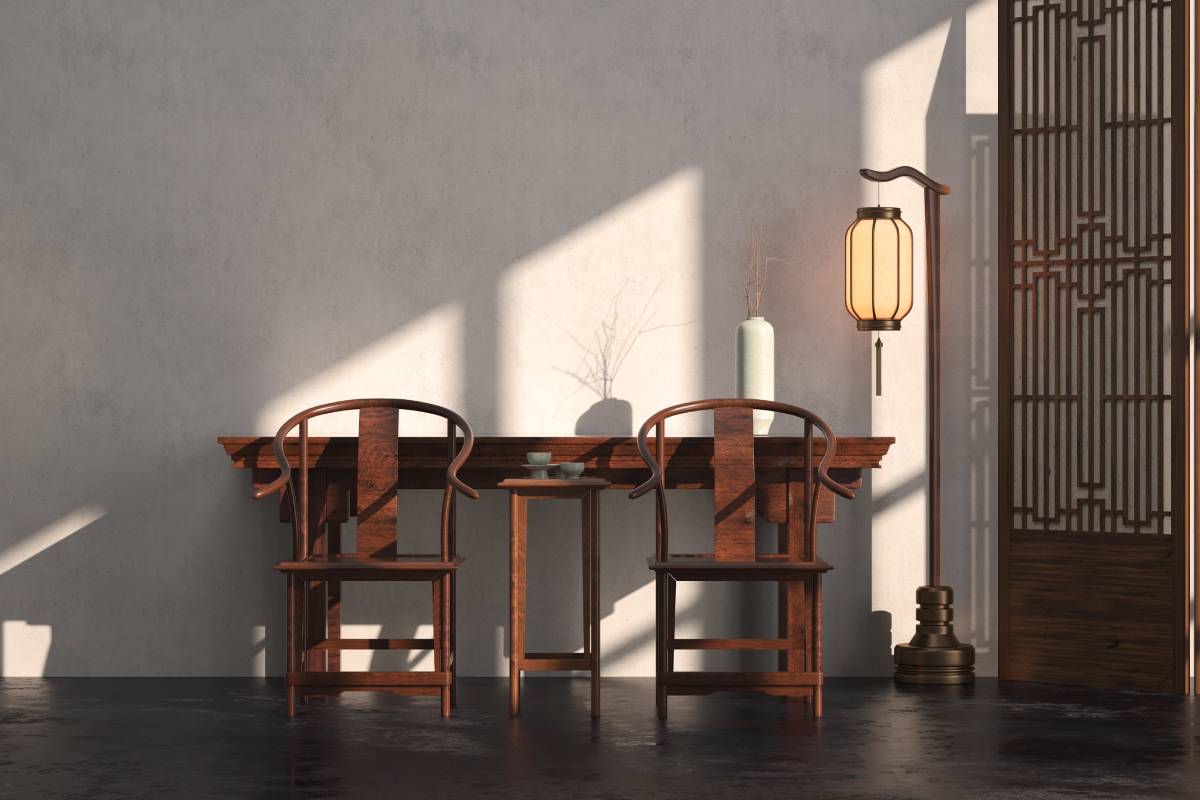
Chinese design loves pairs. Two chairs, two vases, two lanterns. This duality represents balance (Yin and Yang) and creates a sense of formal elegance and visual stability. - Intricate Lattice Work:
Known as strict geometric patterns found on windows, doors, and room dividers. These wooden screens add texture and separate spaces without blocking light. - Bold Colour Blocking:
While modern minimalism favours beige, authentic Chinese style is unafraid of deep, saturated hues. We will cover the specific meanings of these colours later. - Lacquered Finishes:
The technique of applying layers of treated lacquer to wood results in a glossy, durable, and sophisticated finish, often inlaid with mother-of-pearl or hand-painted scenes. - Exposed Wood Joinery:
High-end Chinese furniture (specifically Ming Dynasty style) rarely uses glue or nails. It relies on complex joinery that is meant to be admired, not hidden.
Traditional vs. Neo-Chinese: A Comparison
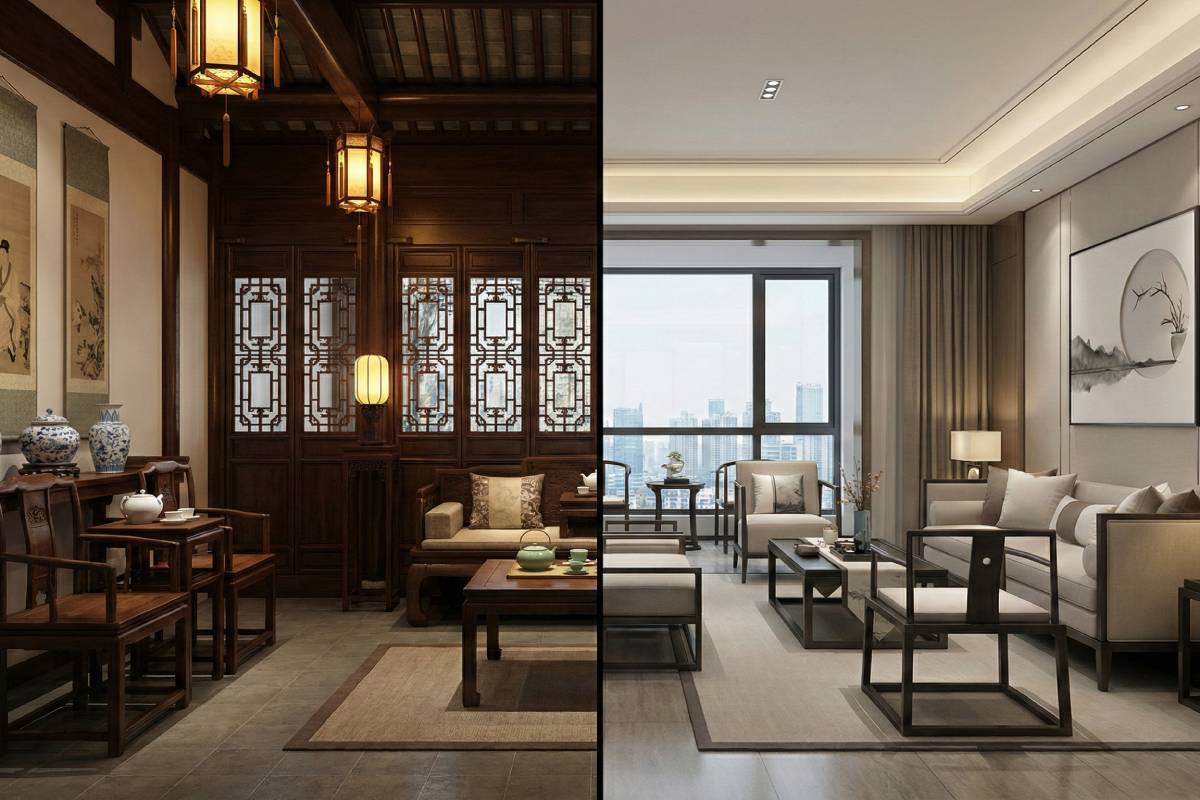
Modern homeowners often prefer “Neo-Chinese” style (or New Chinese Style), which simplifies the heavy ornamentation of the past for a lighter, more contemporary feel. This adaptive approach is gaining global traction; for example, a Creative Property Stylist in Sydney might seamlessly blend these traditional Ming-style silhouettes with modern, open-plan coastal living to create a unique fusion.
| Feature | Traditional Chinese Design | Neo-Chinese (Modern) Design |
| Complexity | Highly ornate, heavy carving, busy patterns. | Simplified lines, minimal carving, focuses on silhouette. |
| Color Palette | Dominant Red, Gold, and dark heavy woods. | Neutral backdrops (white/cream) with Red or Teal accents. |
| Furniture | Large, heavy Rosewood or Mahogany pieces. | Lighter woods (Walnut/Oak) mixed with soft upholstery. |
| Lighting | Dim, atmospheric, heavy lanterns. | Bright, recessed lighting paired with modern pendant lights. |
| Vibe | Majestic, formal, museum-like. | Airy, livable, sophisticated. |
Essential Furniture and Decor Elements
1. Ming Dynasty Style Furniture
The Ming period is considered the “Golden Age” of Chinese furniture. Look for pieces with clean, simple lines and high-quality wood. The “Y-back” chair (or Horseshoe chair) is an iconic silhouette that fits perfectly into even a Scandinavian or Industrial home.
2. The Partition Screen
In ancient times, screens provided privacy. Today, they are a stunning statement piece.
- Design Tip: Use a folding screen with a semi-transparent fabric or lattice pattern to divide a living room from a dining area. It adds depth without making the room feel small.
3. Porcelain and Ceramics
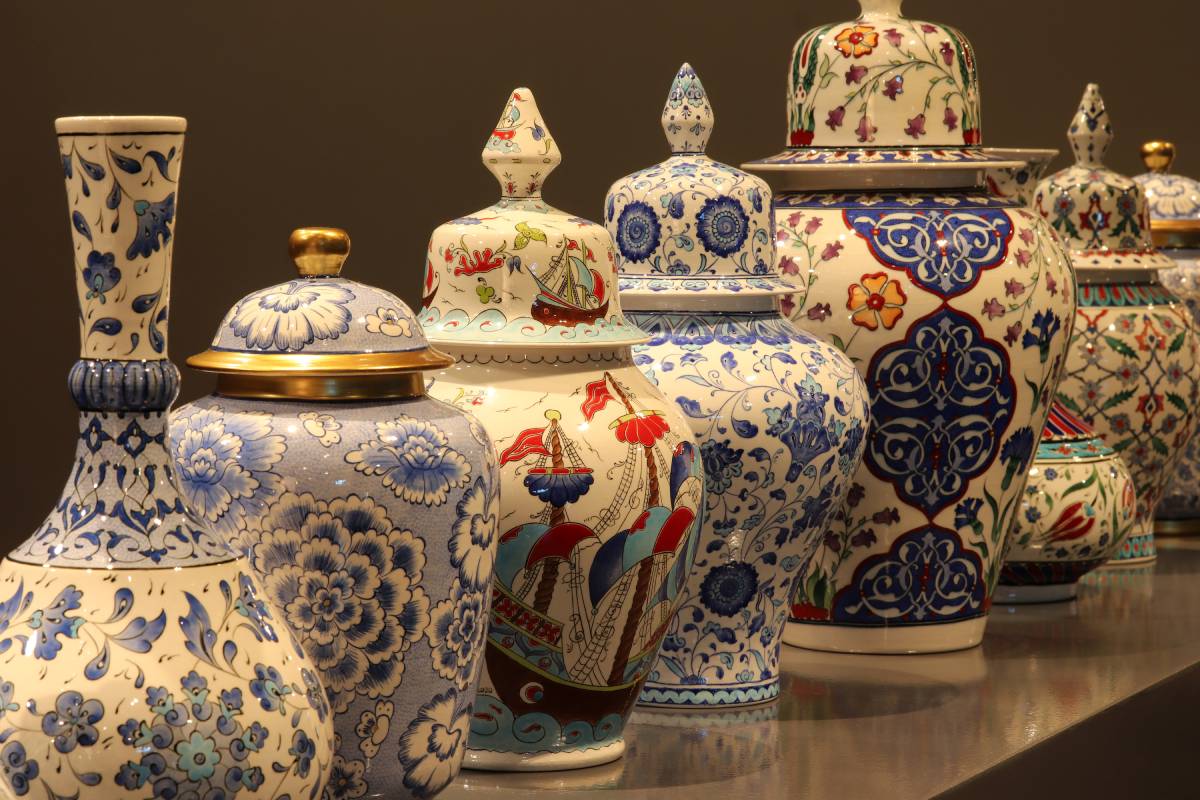
Blue and white porcelain (Chinoiserie) is the most recognisable export of Chinese art.
- Styling Tip: Group ginger jars of varying sizes together on a mantle or console table. Remember the rule of symmetry!
Mastering the Colour Palette
Colours in Chinese culture are never random; they carry symbolic weight. If your current walls feel lacklustre or the energy in your home feels stagnant, it’s time to paint your house. Applying a fresh coat of paint using these culturally significant tones is the most effective way to reset the atmosphere.
- Vermilion Red: The colour of good fortune, joy, and fire.
- How to use it: Do not paint four walls red. Use it for accent pillows, a lacquered cabinet, or a piece of wall art.
- Imperial Yellow/Gold: Represents power, royalty, and earth.
- How to use it: excellent for metal accents (drawer pulls, lamp bases) or silk throw blankets.
- Black: Represents water, mystery, and stability.
- How to use it: Use black for furniture frames or calligraphy art to “anchor” the room and provide contrast against white walls.
- Teal and Jade Green: Represents nature, youth, and longevity.
- How to use it: This is the trending color for Neo-Chinese interiors. It pairs beautifully with dark wood and gold.
Conclusion
Chinese style interior design is more than just placing a Buddha statue on a shelf. It is a sophisticated language of balance, symbolism, and history. By adopting the “Neo-Chinese” approach, taking the timeless silhouettes and deep meanings of the past and placing them against a clean, modern canvas, you can create a home that feels both culturally rich and effortlessly current.