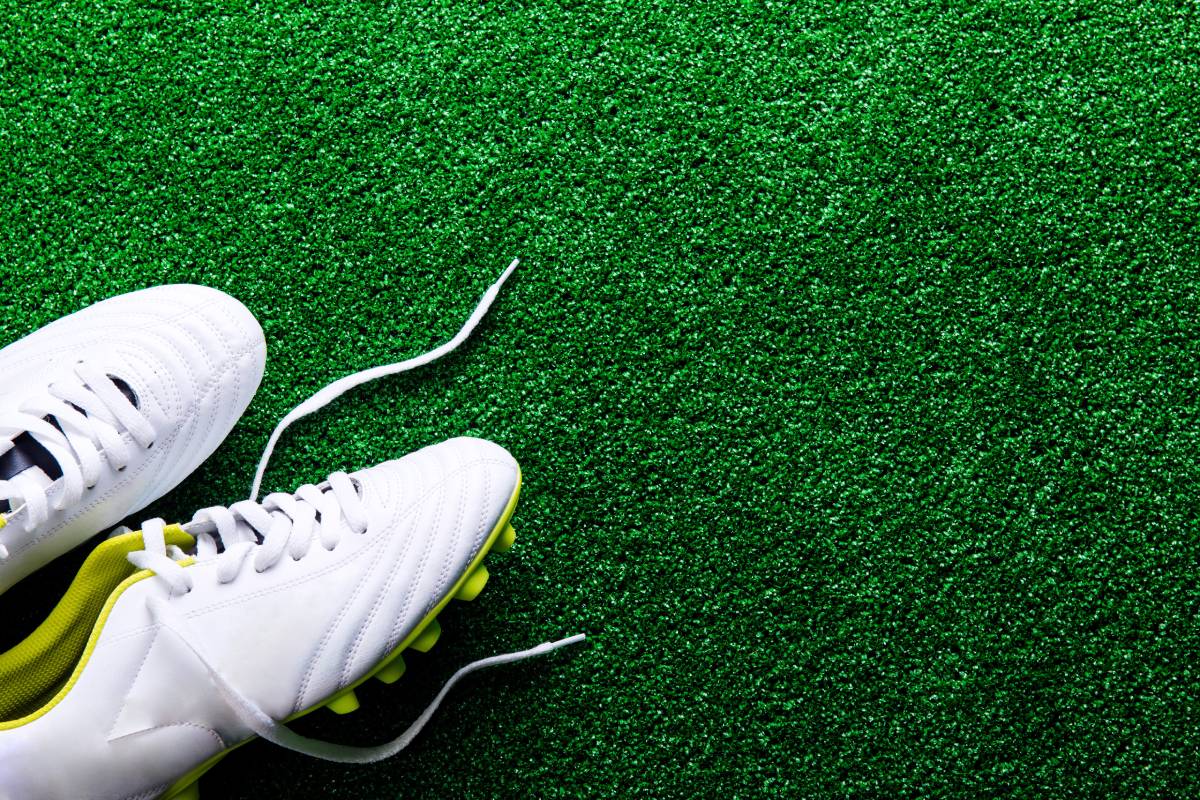

Over the past two decades, synthetic grass has become a common sight across many sporting fields in Australia. From community ovals and school sports grounds to professional training pitches, artificial turf seemed to offer a long-awaited solution to heavy foot traffic, water restrictions and maintenance costs.
However, in recent years, there has been a notable shift in thinking. Many clubs, councils, and sporting organisations are now reconsidering the benefits of natural grass and exploring the idea of transitioning back from synthetic turf to real turf.
This raises a big question: Is changing from synthetic grass to real grass truly an upgrade or a downgrade for sports fields?
To answer this, we must look at performance, environmental impact, safety, aesthetics, long-term cost, and suitability for Australian conditions.
1. Player Performance: Does Real Grass Improve the Game?
Natural Grass Offers Better Shock Absorption
One of the most compelling reasons sports bodies are switching back to real turf is player comfort and performance. Real grass naturally cushions impacts, reducing joint strain during running, jumping and sudden changes in direction.
Synthetic grass, especially older generations, can feel harder underfoot and contribute to repetitive stress injuries.
Ball Behaviour Is More Predictable on Natural Turf
Sports such as soccer, rugby and AFL depend heavily on how the ball rolls, bounces and interacts with the surface. Natural turf generally provides a smoother and more predictable playing response—something elite athletes and coaches value highly.
Better Heat Management During Play
Synthetic turf absorbs and radiates heat. On hot Sydney summer days, artificial fields can reach temperatures 20–40°C higher than natural grass. This affects both player performance and safety. Natural grass remains cooler due to evapotranspiration, making games more enjoyable and reducing fatigue.
Verdict: In terms of performance, real grass is often considered an upgrade.
2. Safety Considerations: Is Real Grass Better for Athletes?
Lower Incidence of Burns and Abrasions
Anyone who has played on synthetic turf knows that “turf burn” is a common complaint. Sliding on artificial fibres can cause painful abrasions that take days to heal. Natural grass, by contrast, is gentler on the skin.
Reduced Risk of Heat-Related Illness
Because synthetic turf gets extremely hot, especially in Australia’s climate, players can be at greater risk of dehydration, heat stroke and overheating. Natural grass reduces this risk significantly.
Injury Rates Are Often Lower on Real Grass
Studies from international sporting bodies have shown mixed but concerning results: some data suggests higher ACL injury rates on synthetic fields, particularly among high-performance athletes. Natural grass tends to offer more “give,” reducing the strain on joints and ligaments.
Verdict: When it comes to athlete safety, switching to real grass is generally seen as an upgrade.
3. Environmental Impact: A Major Factor in Today’s Decisions
Water vs Waste
One of the strongest arguments for synthetic turf is water savings. Natural grass requires irrigation—something Australia is all too familiar with during drought seasons.
However, synthetic grass comes with its own major environmental concerns:
-
It contributes to microplastic pollution as it breaks down.
-
Old turf systems are difficult and expensive to recycle.
-
Rubber infills can migrate into nearby waterways.
-
Artificial turf increases surface heat and contributes to the heat-island effect.
Many councils now prioritise sustainable urban cooling, biodiversity and reducing plastic waste. Real grass supports soil health, encourages pollinators, and keeps local temperatures down.
Carbon Absorption
Natural grass absorbs CO₂, while synthetic turf does not. For councils aiming to reach environmental targets, natural turf is now seen as the superior long-term option.
Longevity and Disposal
Synthetic turf generally lasts between 8–12 years before replacement. Each replacement creates tonnes of waste. Natural grass fields, when managed well, can last decades.
Verdict: Environmentally, real grass is a strong upgrade, especially for long-term sustainability.
4. Maintenance: Which Option Is Easier?
Synthetic Grass Maintenance
Many people assume artificial turf is maintenance-free, but that’s not true. It requires:
-
Regular brushing to maintain fibre uprightness
-
Debris removal
-
Infill top-ups
-
Sanitising (especially in school or pet-friendly fields)
-
Heat management and cooling during extreme temperatures
-
Repairs for seams, ripples and wear spots
These costs can accumulate over time.
Natural Grass Maintenance
Natural turf requires:
-
Mowing
-
Watering
-
Fertilising
-
Aeration
-
Occasional resurfacing
However, advancements in drought-tolerant turf varieties (e.g., couch, kikuyu, buffalo) have made natural turf significantly more efficient than in the past. Many councils have adopted smart irrigation systems that reduce water use by up to 50%.
Cost Comparison
While synthetic fields cost less to maintain weekly, their replacement cost every 8–12 years can be extremely high. Natural turf has ongoing costs but no full-scale replacement requirement unless severely damaged.
Verdict: Maintenance is balanced, but natural grass can be more cost-effective long-term, depending on usage.
5. Durability and Usage Capacity
Synthetic Turf: High Traffic Champion
Artificial turf can withstand heavy use with minimal downtime. Schools, public parks and high-traffic areas often find synthetic grass practical because games can run back-to-back without resting the field.
Natural Turf: Improving With Technology
Historically, natural turf struggled with overuse, especially after rain. But modern hybrid turf systems, drainage technology, and soil engineering have dramatically improved durability.
Professional sports stadiums worldwide—including those hosting FIFA and rugby events—now often use hybrid natural turf for superior resilience.
Weather Resilience
-
Synthetic turf can become slippery when wet and dangerously hot when sunny.
-
Natural grass fields can drain exceptionally well if built with modern sub-base systems.
Verdict: For extreme heavy use, synthetic turf still wins. For all other contexts, natural turf provides competitive durability.
6. Aesthetic and Community Appeal
Natural Grass Feels “More Real”
Communities, athletes, and spectators overwhelmingly report that natural grass:
-
Smells better
-
Feels better
-
Looks more appealing
-
Creates a more welcoming environment
Synthetic turf can fade over time, lose its lush look, and appear artificial under bright sunlight.
Reducing Community Opposition
In recent years, many Australian communities have opposed new synthetic turf installations due to health, heat and environmental worries. Moving back to natural grass often strengthens community relations and public support.
Verdict: Aesthetically and socially, natural grass is considered an upgrade.
7. Financial Considerations: What’s Truly Cheaper Long-Term?
Upfront Costs
-
Synthetic turf fields cost significantly more upfront due to installation, sub-base preparation, shock pads and infill systems.
-
Natural grass establishment is comparatively cheaper.
Lifecycle Cost
When factoring in:
-
Replacement every 8–12 years
-
Disposal fees
-
Heat management systems
-
Sanitation
-
Infill replenishment
-
Increased insurance risks from heat or injuries
Synthetic turf can become more expensive over a 20-year lifecycle.
Natural grass costs are steady and predictable.
Verdict: Long-term, natural grass often provides better financial value, especially for council and community use.
8. Suitability for the Australian Climate
Australia’s climate is unique—hot summers, occasional droughts, and variable rainfall patterns. Synthetic turf struggles in extreme heat and can even release fumes or soften when exposed to high temperatures.
However, Australia also produces some of the world’s most drought-tolerant turf species, including:
-
Couch grass
-
Kikuyu
-
Hybrid warm-season grasses
-
Zoysia
These varieties can thrive in high temperatures, use less water and remain green year-round with proper management.
Verdict: For Australian conditions, natural grass is considered a climate-smart option, particularly for sports grounds that want to avoid extreme heat.
So, Is Changing From Synthetic Grass to Real Grass an Upgrade or Downgrade?
After examining performance, safety, environment, costs, aesthetics, and climate suitability, the conclusion is clear:
Switching from synthetic grass back to real grass is generally an upgrade—especially for player safety, environmental sustainability, heat management and community satisfaction.
Synthetic turf still has its place for extremely high-use fields like schoolyards or training facilities where downtime must be minimal. But for most sports fields, councils and clubs are discovering the long-term advantages of returning to natural turf.
If you are considering transitioning from synthetic turf to real grass, choosing high-quality turf and proper installation is essential. For Sydney sports fields, parks or council grounds looking for trusted turf supply and expert advice, Direct Turf in Sydney is a reliable choice for premium natural turf solutions.